The Landscape Design Process: A Clear Guide to Each Stage
When people think of landscaping, they often imagine the finished look — the lush greenery, the refined pathways, the inviting outdoor spaces. But a truly beautiful garden doesn’t appear by chance. Behind every thoughtfully crafted outdoor space in Jamaica is a clear, intentional landscape design process.
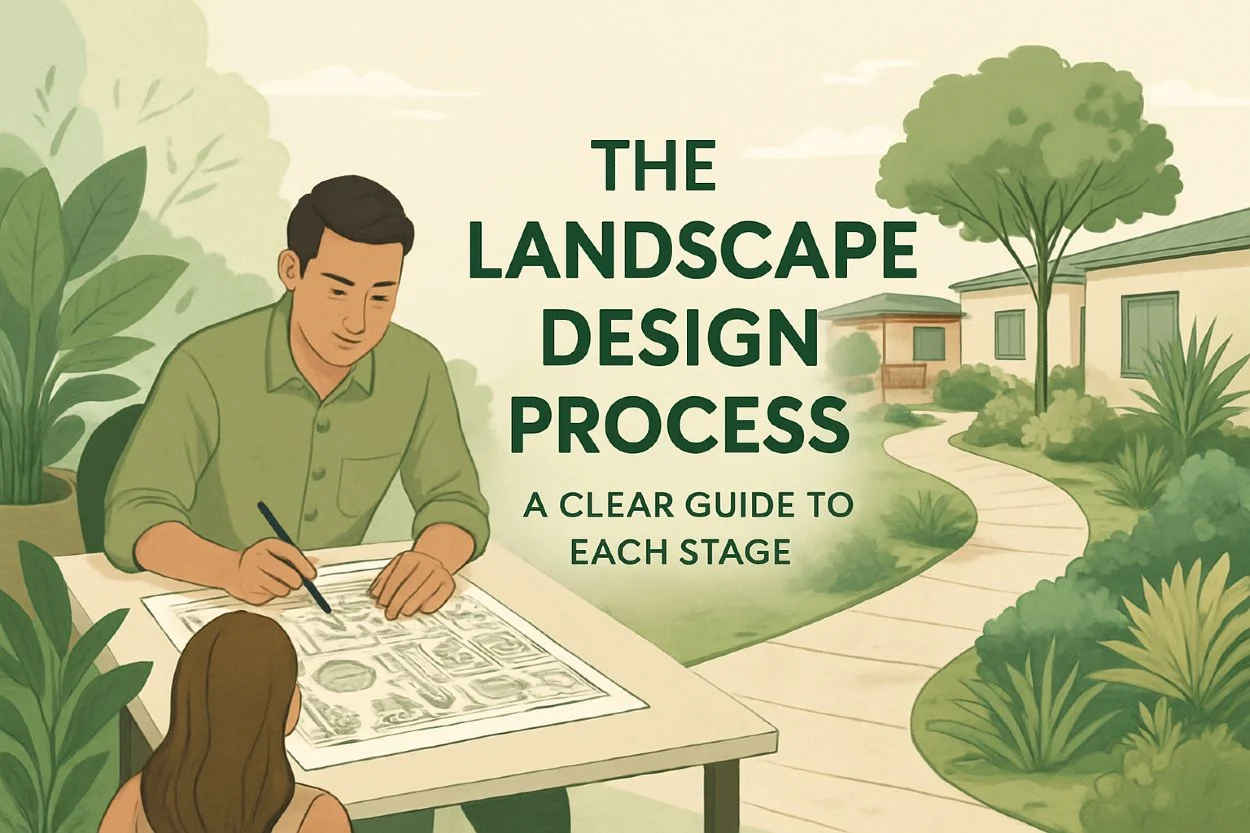
It’s this process that takes an overgrown backyard, or a simple patch of grass and transforms it into a curated environment tailored to the property and the lifestyle of the people who live there. After years of designing outdoor spaces, one thing has become undeniable: the process matters just as much as the plants, materials, or finishes you choose. A structured approach ensures the design is functional, aesthetically balanced, and appropriate for Jamaica’s climate and local site conditions.
In this guide, I’ll walk you through each stage of the landscape design process — from the initial consultation to the final installation — so you understand how a vision becomes a finished outdoor space.
Why the Landscape Design Process Matters in Jamaica?
Jamaica is a beautiful place to garden, but it also presents its own set of challenges. Our climate and terrain can be demanding, with:
Intense heat and long dry spells that require careful plant selection.
Coastal conditions where salty air and strong winds can stress even hardy species.
Compact urban yards and rooftops where every inch of space must be used wisely.
Without a proper design process, these conditions can quickly lead to issues such as:
Plants that struggle or fail because they’re not suited to the site.
Drainage problems that cause flooding, erosion, or property damage.
Unnecessary expenses caused by poor planning or rushed decisions.
A structured landscape design process ensures none of this happens.
It allows every detail — from soil conditions and plant selection to lighting, layout, and long-term maintenance — to be considered upfront, so the final garden is beautiful, functional, and built to thrive in Jamaica’s environment.
What to Expect in Your Initial Landscape Consultation
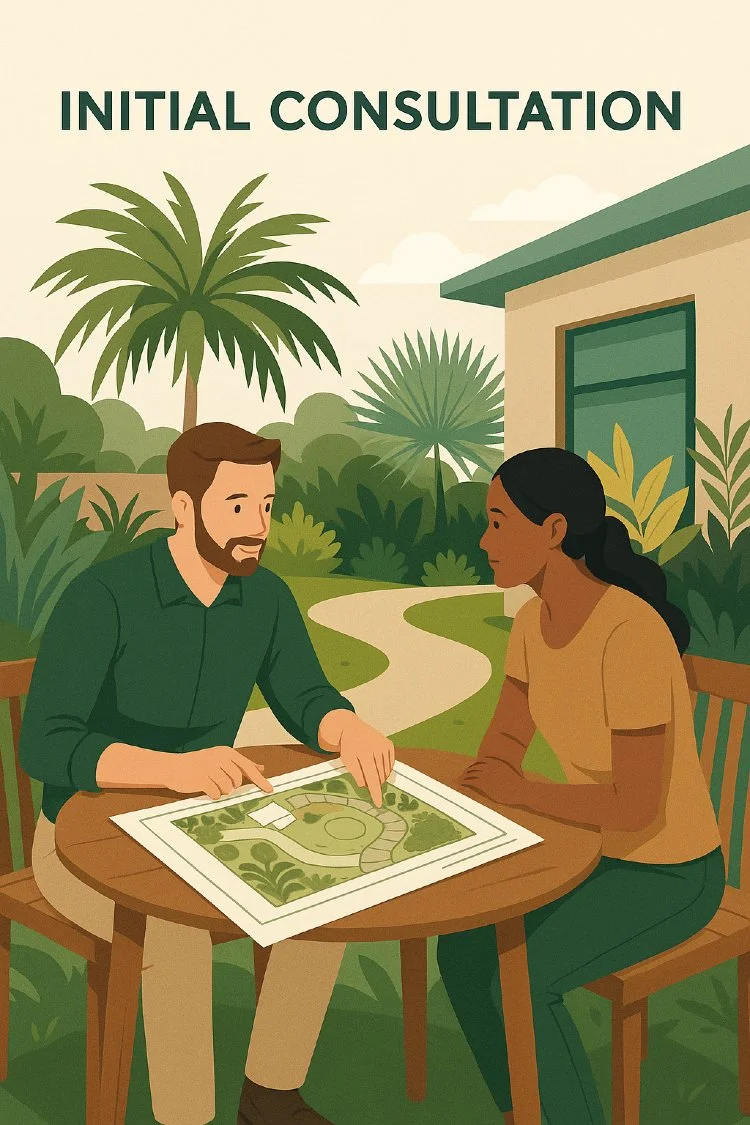
The process begins with a conversation and a site visit. This is where the designer takes the time to understand how you live, what you value, and how you want to use your outdoor space.
I’ll usually ask questions such as:
Are you looking for a low-maintenance garden, or do you enjoy weekly upkeep?
Do you entertain outdoors frequently?
Do you need child-friendly or pet-friendly areas?
What styles resonate with you — modern, tropical, minimalist, or formal?
What budget are you comfortable working within?
While we talk, I also study the site itself, paying close attention to:
How sunlight moves across the property
Wind direction and exposure
Existing elements worth keeping or removing
Views, privacy concerns, and noise
This stage is all about aligning your vision with the realities of the space — blending lifestyle, aesthetics, and site conditions to set the foundation for a successful design.
How We Conduct Your Site Analysis and Survey
Once your goals are clear, the next stage is understanding the land itself. Jamaica’s terrain can vary dramatically — from heavy clay soils and loose coastal sand to rocky elevations — and each site requires a tailored approach.
A thorough site analysis typically includes:
Measuring boundaries, structures, and hardscape features
Assessing slopes and levels (critical for drainage and any future retaining work)
Testing the soil to determine whether improvements are needed
Identifying existing plants or trees worth preserving
Locating underground utilities such as water lines, electrical conduits, and drainage routes
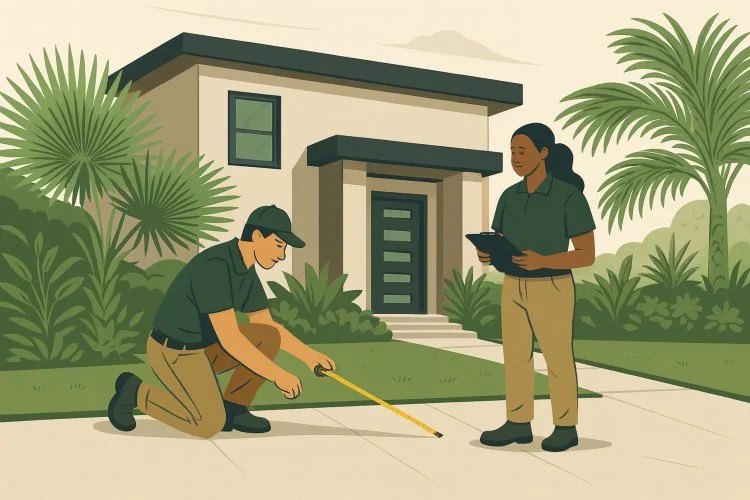
The information gathered here forms the base plan — the technical foundation for all design work that follows. It ensures every idea is grounded in the realities of the site so nothing is designed that can’t be built or that conflicts with natural conditions.
Inside the Concept Design Stage: What You Receive
The concept design stage is where the vision truly begins to take shape. This is the creative phase — the moment ideas move from conversation to something you can actually see.
A typical concept package includes:
A scaled layout plan showing the proposed zones and flow
Mood boards featuring colors, textures, and planting direction
Sketches or 3D visualizations of the key areas
Material suggestions such as stone, timber, concrete, and finishes
A preliminary plant palette curated for Jamaica’s climate
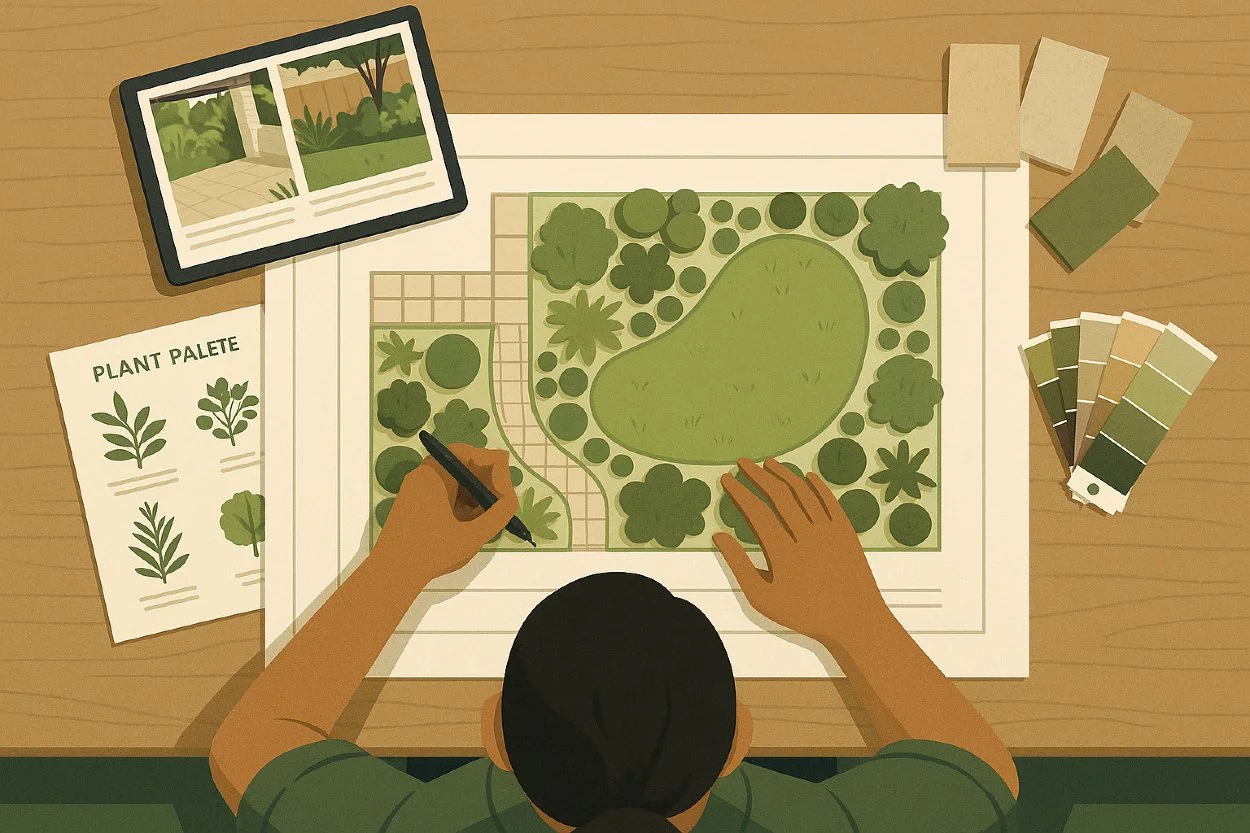
This is often the point where clients say, “Now I can picture it.”
We review the concept together, fine-tune the details, and make refinements until the design feels perfectly aligned with your lifestyle and the character of the site.
What’s Included in the Final Landscape Design Plan
Once the concept design is approved and any necessary requirements are addressed, we move into preparing the final detailed plan.
This stage produces a construction-ready document that includes:
A planting plan with species, spacing, and quantities
Hardscape drawings for paving, walls, steps, and decks
A lighting and irrigation layout
Detailed material specifications
Cost estimates to guide the construction phase
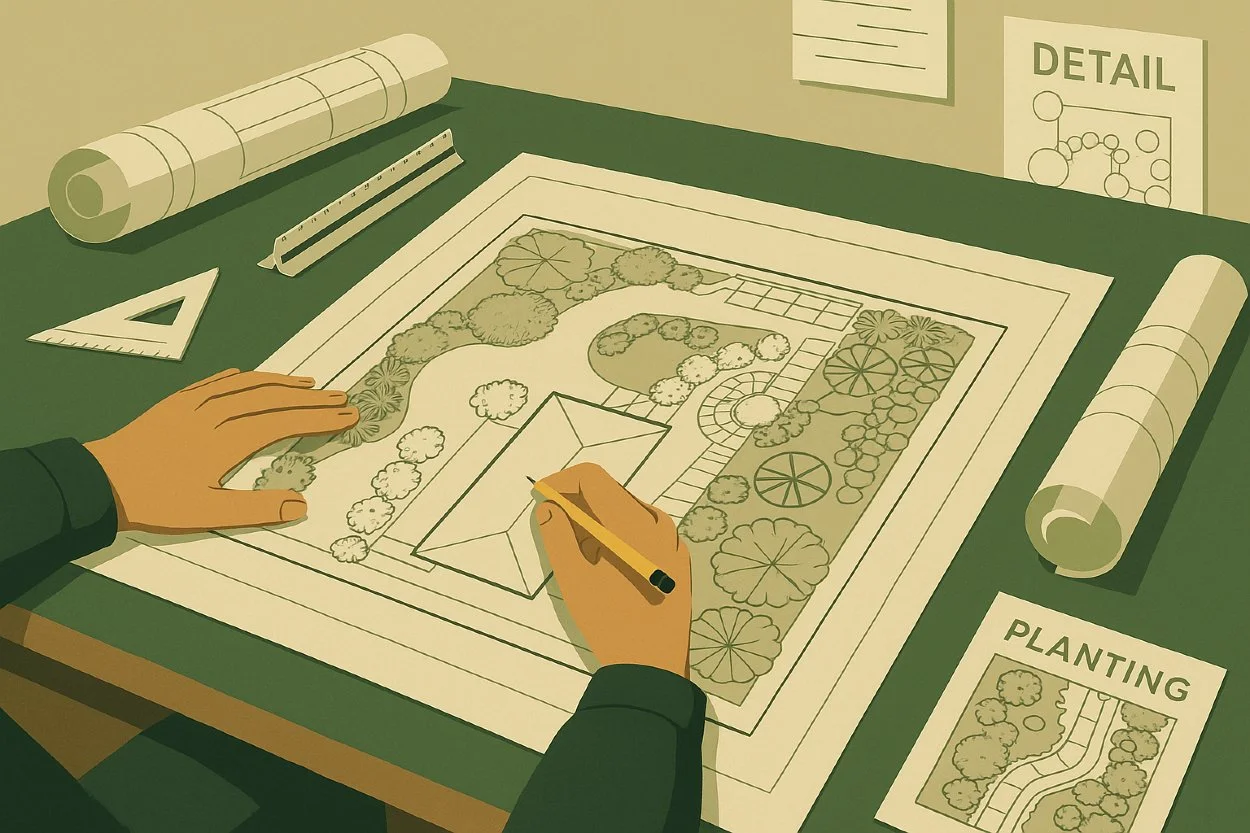
Think of this as the blueprint for your new garden. It’s the document we will follow to ensure the space is built exactly as designed — with accuracy, clarity, and a clear understanding of every element.
What’s Included in the Handover & Maintenance Stage
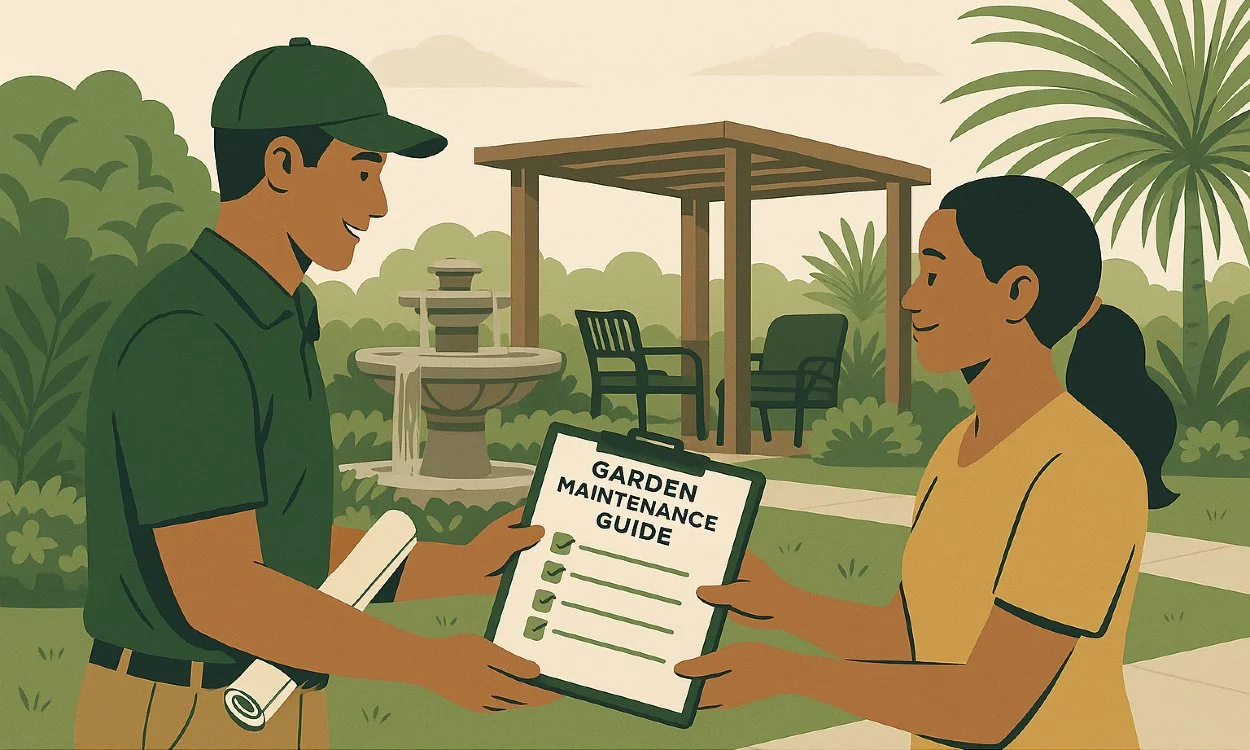
A garden isn’t truly complete the moment the final plant is installed. The handover stage is essential to ensure the space not only looks beautiful on day one, but continues to thrive long after.
This stage typically includes:
A detailed walkthrough of the garden
Guidance on plant care, pruning, and watering routines
Seasonal maintenance recommendations
Instructions for irrigation and lighting systems
Some clients also choose ongoing maintenance support. In these cases, we may check in quarterly during the first year to monitor growth, ensure proper establishment, and make adjustments as needed. This helps protect your investment and keeps the garden developing exactly as intended.
How Long Does the Landscape Design & Build Process Take in Jamaica?
The overall timeline varies depending on the scale and complexity of the project, but generally follows this pattern:
Design phase: 4–8 weeks
(consultation, concept design, revisions, approvals, and final plans)Construction phase: 2–12 weeks
(depending on the size of the garden and level of detail)Approvals: an additional 4–12 weeks
(only if government or strata approvals are required)
In practical terms, a small backyard or courtyard garden can be completed within a couple of months, while larger or more detailed projects may take anywhere from four to six months from first meeting to final installation.
Why the Full Landscape Design Process Makes All the Difference
From experience, the benefits of following the full design process are significant:
Clarity:
You have a complete understanding of what will be built long before construction begins — no guesswork, no surprises.
Budget Control:
Accurate plans lead to accurate pricing. Costs are transparent, planned, and far easier to manage.
Compliance:
Site conditions, regulations, and approvals are handled properly, preventing costly delays or government issues.
Quality:
Every detail is designed intentionally — suited to the site, Jamaica’s climate, and the way you actually live outdoors.
Longevity:
A well-designed garden doesn’t just look good in the first month. It’s built to mature beautifully and stand the test of time.
Final Thoughts
The landscape design process in Jamaica is far more than choosing plants and laying paving. It’s a thoughtful, structured approach to creating an outdoor space that aligns with your lifestyle, complements your home, and thrives in our island climate.
By moving through each stage — consultation, site analysis, concept design, approvals, detailed planning, construction, and final handover — you give your garden the strongest foundation for long-term success.
If you’re ready to transform your outdoor space in Jamaica, partnering with an experienced landscape designer ensures the result is not only beautiful and functional, but built to mature gracefully and stand the test of time. Let the process work for you.